
How to Choose the Right Shapewear for Indian Outfits
Madhu Roy
Introduction
Shapewear has become a quiet style companion in many Indian wardrobes. From sarees and kurtas to dresses and gowns, the right shapewear can subtly enhance the way an outfit drapes and feels—without drawing attention to itself. Yet, choosing shapewear for Indian outfits isn’t as straightforward as picking one size or style for everything.
Indian clothing comes with its own unique needs. Soft cotton kurtas, flowing sarees, fitted ethnic sets, and festive wear all sit differently on the body. What works beautifully under a western dress may feel uncomfortable or visible under a saree or kurti. That’s why understanding how to choose the right shapewear for Indian outfits makes all the difference—not just in appearance, but in comfort too.
Many women end up disappointed with shapewear simply because it’s chosen without considering the outfit, fabric, or climate. The result? Rolling waistbands, visible lines, or shapewear that feels too tight to wear for more than a few hours. With the right knowledge, these issues are completely avoidable.
In this guide, we’ll break down how to choose shapewear for sarees, kurtas, dresses, and everyday Indian wear, keeping body comfort, fabric, and weather in mind. Whether you’re looking for daily-wear shapewear or something for special occasions, these tips will help you make smarter, more comfortable choices that actually work for Indian outfits.
Why One Shapewear Style Doesn’t Work for Every Indian Outfit
When it comes to Indian outfits, shapewear is not a one-style-fits-all solution. Our clothing varies far more than we realise—from soft cotton kurtas worn all day to structured ethnic sets, flowing sarees, and fitted dresses for special occasions. Each outfit drapes differently, and that directly affects the kind of shapewear that works best underneath.
Indian fabrics are often lighter and more breathable than western clothing. Chiffon, georgette, cotton, and linen can easily show harsh seams, thick waistbands, or tight compression. This is why shapewear that feels perfect under a western dress may look or feel uncomfortable under a saree or kurti.
Another factor is how long Indian outfits are worn. Festive wear, weddings, and even long workdays demand comfort for extended hours. Shapewear chosen only for strong compression—without considering flexibility and breathability—can quickly become restrictive.
Choosing shapewear based on the outfit’s silhouette, fabric, and purpose helps avoid common issues like rolling, visible lines, or discomfort. A softer, daily-wear shapewear piece may be ideal for kurtas, while structured support might suit gowns or fitted dresses better.
Understanding this difference is the first step in learning how to choose the right shapewear for Indian outfits—so your shapewear supports your look, rather than competing with it.
Shapewear for Sarees: What Works Best
Sarees are timeless, but they’re also one of the most revealing outfits when it comes to fit and finish. The way a saree drapes depends heavily on what’s worn underneath. This makes choosing the right shapewear for sarees especially important.
For most Indian women, high-waist shapewear works best under sarees. It smooths the tummy area, offers gentle waist support, and helps the saree fall cleanly without creating bulk at the midsection. Unlike traditional petticoats, shapewear provides a more streamlined base—especially under lighter fabrics.
Fabric choice matters just as much. Sarees made from chiffon, georgette, crepe, or satin can easily show thick seams or tight elastic lines. In these cases, soft, seamless shapewear with medium compression is ideal. It smooths without gripping too tightly, keeping the drape natural and elegant.
For silk or heavier sarees, comfort becomes the priority—especially during long hours at weddings or festive events. Shapewear that offers support without restricting movement allows you to sit, walk, and stand comfortably throughout the day.
One common mistake many women make is choosing shapewear that’s too tight, assuming it will give better shaping. In reality, overly tight shapewear can cause rolling at the waist or discomfort, which becomes noticeable under a saree. The right fit should feel supportive, not restrictive.
When chosen thoughtfully, shapewear for sarees doesn’t change how you look—it simply enhances how confidently your saree falls and feels.

Shapewear for Kurtas, Kurtis & Ethnic Sets
Kurtas and ethnic sets are everyday essentials in many Indian wardrobes, which means the shapewear worn under them needs to be comfortable enough for long hours. Unlike sarees or gowns, kurtas often move with the body, making comfort and breathability just as important as shaping.
For straight-cut kurtas and kurti sets, light to medium compression shapewear works best. High-waist shapewear or soft shaping shorts help smooth the tummy and hip area without feeling restrictive. Since kurtas are often made from cotton or blended fabrics, shapewear with a seamless finish prevents visible lines.
When it comes to flared kurtas, anarkalis, or kurta sets with palazzos, heavy shaping is rarely needed. In these cases, shapewear that focuses on gentle smoothing rather than firm compression feels more natural. Breathable fabrics are especially important for all-day wear, particularly in warmer weather.
Ethnic sets with fitted pants or straight trousers benefit from shapewear that offers thigh and hip smoothing. Shaping shorts or mid-thigh shapewear help create a clean line without bunching or riding up.
A common mistake is wearing the same shapewear for both daily and occasion wear. For kurtas worn regularly, daily-wear shapewear designed for Indian weather is a smarter choice—it supports without discomfort and allows ease of movement throughout the day.
Shapewear for Dresses, Gowns & Western Wear
Western wear may look structured, but comfort still matters—especially when dresses are worn for long hours. The key to choosing the right shapewear for dresses and gowns is matching the silhouette and neckline of the outfit with the right level of support.
For bodycon and fitted dresses, shapewear that offers all-over smoothing works best. Bodysuits or shaping slips help create a clean, seamless base without visible lines at the waist or hips. Look for styles with smooth edges that sit flat under thinner fabrics.
With flowy dresses and A-line gowns, heavy compression isn’t always necessary. Light to medium control shapewear—such as shaping shorts or soft slips—keeps the outfit looking polished while allowing easy movement. This is especially useful for daytime events or casual outings.
Necklines also play an important role. Dresses with deep necks, backless designs, or thin straps pair better with strapless or low-back shapewear styles. Choosing the wrong cut can make shapewear visible, defeating its purpose altogether.
One common mistake is wearing shapewear meant for western dresses under ethnic outfits, or vice versa. While some styles overlap, understanding the outfit’s cut and fabric ensures shapewear stays invisible and comfortable.
When chosen thoughtfully, shapewear for dresses and western wear should feel like a second skin—supportive, smooth, and barely noticeable.


Choosing Shapewear Based on Body Areas You Want to Smooth
One of the easiest ways to choose the right shapewear is to focus on what you want to smooth, rather than trying to change your entire silhouette. Shapewear works best when it supports specific areas gently, instead of compressing everything at once.
Tummy and waist area
If your main concern is the tummy or waist, high-waist shapewear is a comfortable and practical option. It smooths the midsection and offers light support without digging in. This style works well under sarees, kurtas, and dresses, especially for daily wear.
Thigh and hip smoothing
For outfits like fitted pants, straight kurtas, or dresses, shapewear that extends to the mid-thigh helps create a clean line. Shaping shorts prevent fabric from clinging and reduce visible lines around the hips and thighs, while still allowing free movement.
Back and side smoothing
Back bulges or side lines often show under fitted blouses and dresses. In such cases, bodysuit-style shapewear or styles with wider side panels offer gentle smoothing without feeling restrictive. These are especially useful for western wear and structured outfits.
All-over shaping
For special occasions or fitted outfits, all-over shaping styles can help create a smooth base from top to bottom. The key is to choose medium compression, so the shapewear supports without becoming uncomfortable during long hours.
A common mistake is choosing shapewear that targets too many areas with very firm compression. In reality, focusing on one or two key areas usually looks more natural and feels far more comfortable.

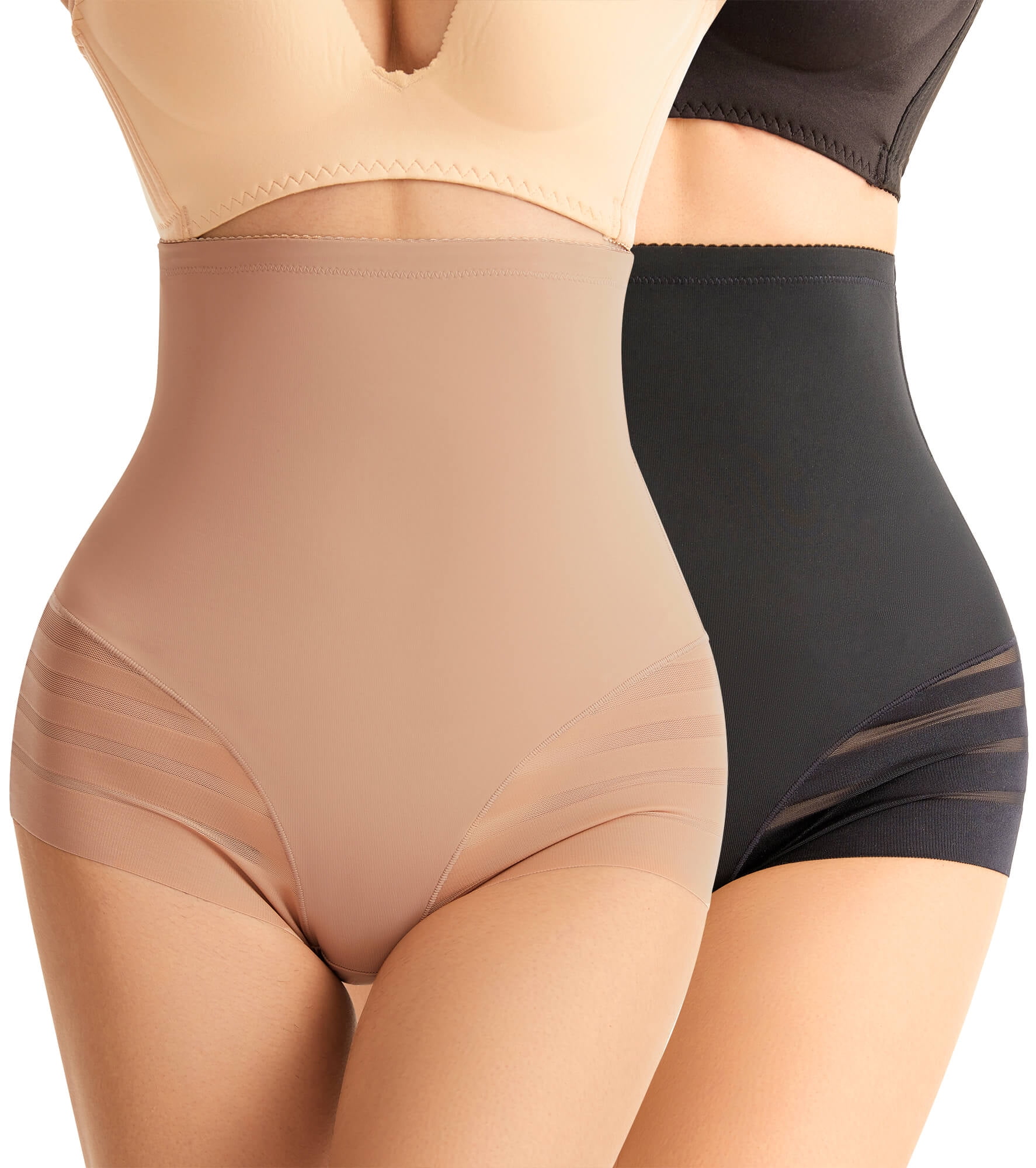

How to Choose the Right Shapewear Size (Very Important)
If there’s one thing that decides whether shapewear feels comfortable or unbearable, it’s the right size. Most shapewear disappointments don’t come from the product itself—but from choosing a size that’s too tight.
A common belief is that tighter shapewear gives better shaping. In reality, shapewear that’s too small can dig into the skin, roll at the waist, restrict movement, and even become visible under clothes. Instead of smoothing, it creates exactly the opposite effect.
The right shapewear size should feel supportive, not suffocating. You should be able to sit, walk, and breathe comfortably while wearing it for a few hours. If you feel the need to constantly adjust it, the size isn’t right.
Daily wear vs occasion wear sizing
For daily wear shapewear, it’s best to stick to your true size. Softer compression offers comfort and flexibility, especially for Indian weather and long hours.
For occasion wear, some women prefer slightly firmer support—but sizing down is rarely the answer. Choosing a style with medium compression works better than forcing a smaller size.
Pay attention to fit, not just numbers
Every body is different, and sizing can vary across brands. Always check waist, hip, and thigh measurements rather than relying only on small, medium, or large labels. When in doubt, comfort should always come first.
Choosing the correct size not only improves how shapewear looks under outfits, but also helps it last longer, as the fabric isn’t constantly under strain.
Fabric & Comfort Tips for Indian Climate
India’s climate plays a big role in how comfortable shapewear feels. Heat, humidity, and long hours outdoors mean that shapewear needs to do more than just shape—it must breathe, move, and feel light on the skin.
For everyday wear, breathable and lightweight fabrics are key. Shapewear made with soft, stretchable blends feels more comfortable in warm weather and reduces the chance of irritation or excessive sweating. This is especially important for kurtas, sarees, and office wear that’s worn for many hours at a stretch.
In summer or humid conditions, medium or light compression works better than very firm control. Strong compression may look appealing, but it can feel uncomfortable in heat and restrict airflow. Softer shaping often looks more natural under Indian outfits and feels far easier to wear daily.
Seamless finishes also matter in warm weather. They reduce friction against the skin and stay less noticeable under thin fabrics like cotton, chiffon, or georgette. Choosing shapewear that sits smoothly helps outfits fall better without feeling heavy.
For cooler months or air-conditioned settings, slightly firmer shapewear may feel comfortable for longer durations. The idea is to adjust shapewear choices with the season—just like we do with our clothing.
When shapewear matches the climate, it becomes something you forget you’re wearing—and that’s exactly how it should feel.
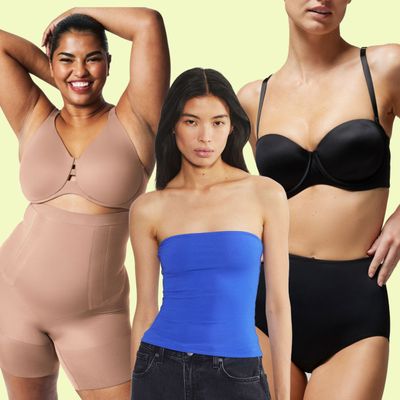

Common Shapewear Mistakes to Avoid with Indian Outfits
Shapewear works best when it quietly supports your outfit. But a few common mistakes can take away from that comfort and ease—especially when wearing Indian clothing for long hours.
Choosing shapewear that’s too tight
Tighter does not mean better. Shapewear that feels restrictive often rolls at the waist, digs into the skin, and becomes uncomfortable within a short time. Gentle support always looks more natural under sarees, kurtas, and dresses.
Wearing the same shapewear for every outfit
Indian outfits vary widely in fabric and fit. Using one shapewear style under everything—from cotton kurtas to festive wear—can lead to visible lines or discomfort. Matching shapewear to the outfit makes a noticeable difference.
Ignoring comfort for long wear
Festive occasions, weddings, and even workdays can stretch over several hours. Shapewear that feels fine initially may become uncomfortable later if flexibility and breathability are ignored.
Not considering fabric thickness
Light Indian fabrics like chiffon, georgette, or cotton show harsh seams easily. Shapewear with thick edges or heavy compression can affect the drape of the outfit.
Overlooking daily care habits
Improper folding, storage, or wearing shapewear without enough rest between uses can affect its shape and comfort over time.
Avoiding these small mistakes helps shapewear stay invisible, comfortable, and supportive—exactly how it’s meant to be.
FAQs: Choosing the Right Shapewear for Indian Outfits
Can shapewear be worn daily with Indian outfits?
Yes, as long as it offers light to medium compression and feels comfortable for long hours. Daily wear shapewear should never feel restrictive.
What shapewear works best under sarees?
High-waist shapewear with a smooth finish works well under most sarees, especially when the fabric is lightweight or flowy.
Is shapewear visible under cotton kurtas?
Shapewear with seamless edges and softer compression stays less noticeable under cotton and blended fabrics.
Can shapewear feel uncomfortable in Indian weather?
It can, if the fabric isn’t breathable. Choosing lightweight and climate-friendly shapewear helps improve comfort in warm or humid conditions.
Should shapewear be worn for long events like weddings?
Yes, but comfort should come first. Styles that allow easy movement and breathing are better suited for long occasions.

Conclusion
Shapewear is meant to support your outfit, not compete with it. When chosen thoughtfully, it blends quietly into your wardrobe—helping clothes drape better while allowing you to move, sit, and breathe comfortably throughout the day.
Indian outfits come with their own rhythm, fabrics, and wearing hours. Understanding how shapewear works with sarees, kurtas, dresses, and everyday wear helps you make choices that feel natural rather than forced. From focusing on comfort and fit to considering fabric and climate, small details make a noticeable difference.
The right shapewear doesn’t change who you are—it simply supports how you feel in what you wear. And when comfort comes first, confidence follows effortlessly.
Related Reading & Style Picks
If you’re building a comfortable and mindful shapewear routine, these reads and curated sections can help you understand care, usage, and styling better—at your own pace.
📖 Related Reading on UrbanZora
-
Everyday Care Tips for Shapewear to Make It Last Longer
Learn simple washing and daily care habits that help maintain comfort, shape, and fabric quality. -
How to Fold and Store Shapewear Properly
A practical guide to folding and storing shapewear so it keeps its support and structure over time.
-
Shapewear Collection for Daily Comfort
A thoughtfully curated range of shapewear styles designed for everyday Indian wear and long-hour comfort.
-
Bra Buying Guide for Women
Detailed buying guides, comparisons, and practical tips to help you understand styles, fabrics, and use cases before shopping.
-
9 Affordable Cotton Bras for Indian Summer
Curated guides and value-focused recommendations designed to help you shop smarter and more comfortably.